What you’ll learn
Environmental science uses biology, chemistry and earth science to measure what is happening to land and water, and what can be done about it.
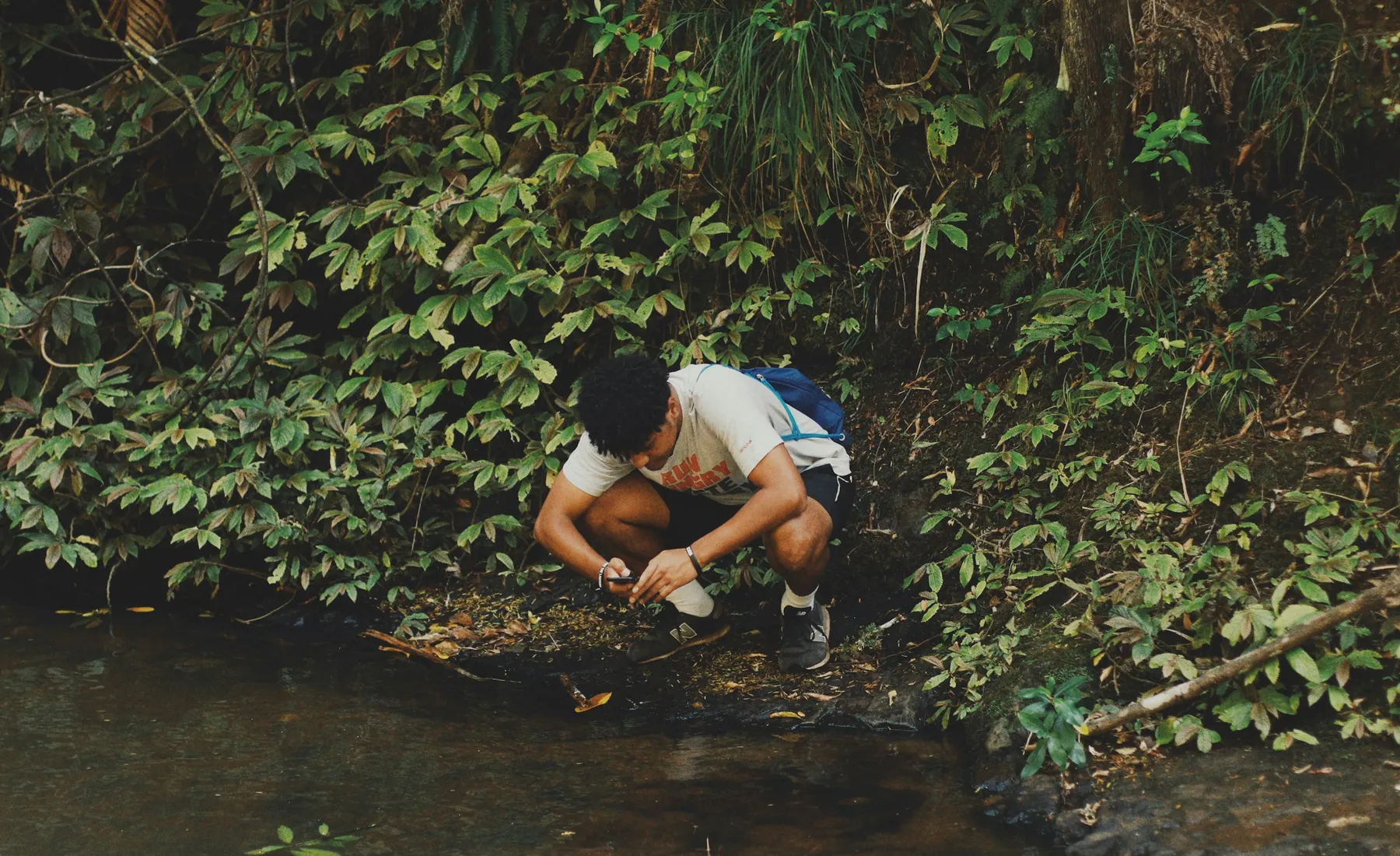
At Dunmere, most of that measuring happens outdoors: canals, farm plots and the foothills east of Alvara.
-
Collect and test samples
Water, soil and air, in the field and in the lab.
-
Map what you find
GIS and remote sensing, from drone images to satellite data.
-
Read the rules
State and federal water and air law, and how permits work.
-
Explain it plainly
Reports and public talks for growers, agencies and neighbors.
Degree options
Same advisors and field labs for all three. The B.S. adds chemistry and a senior research project.
-
Bachelor of Science
Environmental Science, B.S.
For careers in water quality, soil science and environmental consulting, or graduate school.
Concentrations
- Water resources
- Soil and agriculture
- Air and climate
Advisor
Renata Solis[email protected]
(555) 555-0162 -
Bachelor of Arts
Environmental Studies, B.A.
Policy, planning and communication, with fewer lab courses. Pairs well with a second major.
Advisor
Renata Solis[email protected]
(555) 555-0162 -
Minor
Environmental Science minor
Six courses, 20 units. Common with biology, agriculture, business and political science majors.
Faculty coordinator
Courses you might take
-
ENVS 110
Water in the Valley
Where Alvara’s water comes from, who uses it, and how its quality is measured.
-
ENVS 240
Field Methods
Eight Saturdays outdoors: sampling plans, instruments and field notebooks.
-
ENVS 352
GIS for Land and Water
Build maps from your own field data and public satellite imagery.
Careers and outcomes
Graduates work in the field, in labs and in public agencies.
Jobs graduates hold
- Water quality specialist
- Environmental compliance analyst
- Soil conservationist
- GIS technician
- Environmental educator
- Field lab technician
Where students intern
- County water and irrigation districts
- State parks and wildlife agencies
- Farms, food processors and crop advisors
- Environmental consulting firms
Pay and job growth by occupation: U.S. Bureau of Labor Statistics, Occupational Outlook Handbook. Dunmere graduate outcomes come from the Career Center’s annual graduate survey.
$7,960
Cost for a year
Tuition and fees, full-time, state resident, 2026–27. Field courses add a $45 lab fee each. Illustrative figures for a fictional university.
How to apply to this major
The major fills each year, so apply by the priority date.
-
First-year
In high school, or finished with under 12 college units.
- Apply to Dunmere and choose Environmental Science.
- Finish one year each of biology and chemistry.
- Send final transcripts by July 1.
Priority date: Dec. 1, 2026
-
Transfer
60 or more transferable units from a community college.
- Complete general chemistry and statistics.
- Apply and choose Environmental Science.
- Meet a transfer advisor before you register.
Priority date: Dec. 1, 2026
-
Already at Dunmere
You are enrolled and want to change your major.
- Finish ENVS 110 with a C or better.
- Meet Renata Solis to plan your courses.
- Submit the change of major form.
Accepted: any term